When Abuse Is Hard to See: Recognizing the Hidden Signs of Emotional and Psychological Harm

For many people, the word “abuse” brings to mind obvious images: physical violence, screaming arguments, or clear acts of cruelty.
But not all harmful relationship dynamics look like that.
Sometimes emotional and psychological harm happens slowly, through patterns that are difficult to recognize while you are living through them. Sometimes the most confusing relationships are not the ones filled with obvious conflict, but the ones where you find yourself gradually losing confidence, questioning yourself, and feeling disconnected from who you once were.
For a long time, I struggled to understand my own experience.
I wondered how I could have missed the signs.
I wondered why I stayed as long as I did.
I wondered why it took so long to recognize that some of the patterns I experienced were unhealthy.
Over time, I learned to have compassion for the person I was during that season of my life.
The truth is, many people do the best they can with the knowledge, resources, and emotional tools they have at the time.
Recognizing unhealthy patterns is not always easy — especially when those patterns develop gradually.
Recognizing Emotional Abuse Signs in Subtle Relationship Patterns
Some forms of emotional harm are subtle.
They may not involve yelling, threats, or visible aggression. Instead, they may involve patterns that slowly affect a person's confidence, sense of reality, and ability to trust themselves.
Some examples include:
Gaslighting
Stonewalling
Emotional withdrawal
Chronic criticism
Blame shifting
Intermittent reinforcement
Understanding these patterns can help people recognize when a relationship dynamic is affecting their emotional well-being.
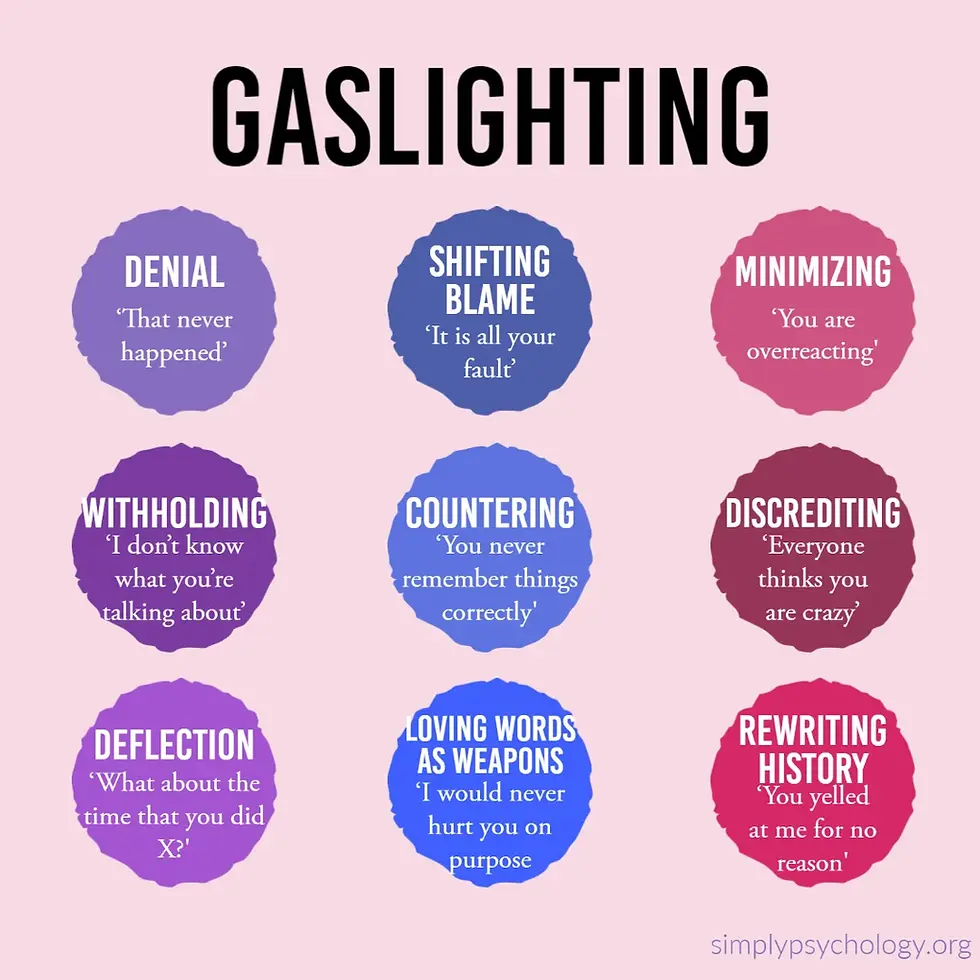
Gaslighting: When You Begin Questioning Yourself
Gaslighting is a term used to describe a pattern of communication where a person is made to question their own memories, perceptions, or understanding of events.
Over time, repeated experiences of this kind can damage self-confidence.
A person may begin asking:
“Am I remembering this correctly?”
“Am I overreacting?”
“Is everything really my fault?”
The most damaging part of gaslighting is not a single disagreement. It is the gradual erosion of trust in your own perspective.
Healthy relationships allow room for different viewpoints while still honoring each person's reality.
Stonewalling: When Communication Breaks Down

Stonewalling occurs when someone withdraws from communication rather than engaging with a conflict or concern.
It is important to recognize that not all withdrawal is abusive. Sometimes people shut down because they are overwhelmed, lack healthy communication skills, or need time to regulate their emotions.
However, when silence or emotional withdrawal is repeatedly used to punish, control, or avoid accountability, it can become deeply harmful.
Healthy conflict requires repair.
It requires both people being willing to return to the conversation, listen, and work toward understanding.
The Impact of Living in Chronic Stress
One of the most powerful things I have learned is how much our emotional environment affects our sense of self.
When someone spends a significant amount of time feeling anxious, uncertain, or emotionally unsafe, they may begin to experience:
Lower self-esteem
Difficulty trusting their own intuition
Emotional exhaustion
Isolation
Confusion about their own needs and desires
The body and mind are deeply connected.
When we live in prolonged stress, our nervous system adapts to survive.
Healing often begins when we are able to reconnect with safety, self-trust, and supportive relationships.
Learning to Recognize Patterns

One of the resources that helped me better understand these dynamics was learning about covert and passive-aggressive relationship patterns.
Books and educational resources about emotional abuse can provide language for experiences that may have previously felt confusing or impossible to explain.
One book that helped me better understand these concepts explored topics such as:
Emotional withholding and the silent treatment
Reality distortion and gaslighting patterns
Unhealthy cycles of rescuing and disappointment
Intermittent reinforcement and attachment patterns
Healing invisible emotional wounds
Rebuilding self-trust and personal power
Learning this information was transformative because knowledge creates awareness.
And awareness creates choices.
Why Sharing These Conversations Matters
The purpose of talking about emotional abuse signs is not to shame people or create division.
It is to help people recognize unhealthy patterns earlier.
Many harmful dynamics thrive because they happen privately and gradually. When we learn the language to describe these experiences, we become better equipped to seek support, establish healthier boundaries, and protect our emotional well-being.
If something in this article feels familiar, consider exploring resources, speaking with trusted support people, and learning more about healthy relationship dynamics.
Your intuition matters.
Your feelings matter.
Your sense of self matters.
Healing begins when we remember that we deserve relationships where we feel respected, valued, and safe.


Comments