Healing After Abuse: Learning to Trust, Love, and Live Again

Updated: Jun 24

I regularly say in my videos that what you think and you say you will magnetize into your life. What you focus on, you give power to. Although I feel very strongly that sharing my story is necessary to help others, the truth is, dealing with my old family and the memories of how they hurt me is like wearing a horcrux around my neck.
It makes me feel terrible, after.
And frankly, I am tired of giving my energy to the past and to people who do not value me, so I think it's time we start to shift AWAY from the what went wrong and start to talk about how to move on AFTER you've gotten free. (That's what's been coming up in my FB feed recently, at least!)
So now that you've gotten free from your toxic ex, done your own therapy and healing, and you're ready to venture back out into the world and maybe find a new partner or branch out and find new friends...what can you expect? Should be easy, right? Ehhhh...not so fast!
We need to get real about some of the pitfalls that a person healing from an abusive relationship can encounter, even WITH a healthy partner.

The truth is, even with all the work I have done, I'm still extremely suspicious of people's intentions and am afraid of experiencing the negative effects of an unhealthy relationship again. A good man with clear and upfront intentions? Does that even exist? (It does.)
This is not reserved just for romantic relationships, either. I find that I am always listening for subtle digs or insinuations in a person's words, or waiting for judgment or rejection. (ADHD brains are already pre-disposed to rejection sensitive dysphoria.)

Moreover, the extreme grief and pain I have felt at being discarded by my old family has made me reticent to open up to others again.
(Just know, if I have reached out to you, it is a HUGE sign of my trust in you! Thank you for being a safe person to me!)
The truth is, part of my CPTSD symptoms includes something that I only just saw come through on my feed in the last few days: something called Interpersonal Hypervigilence


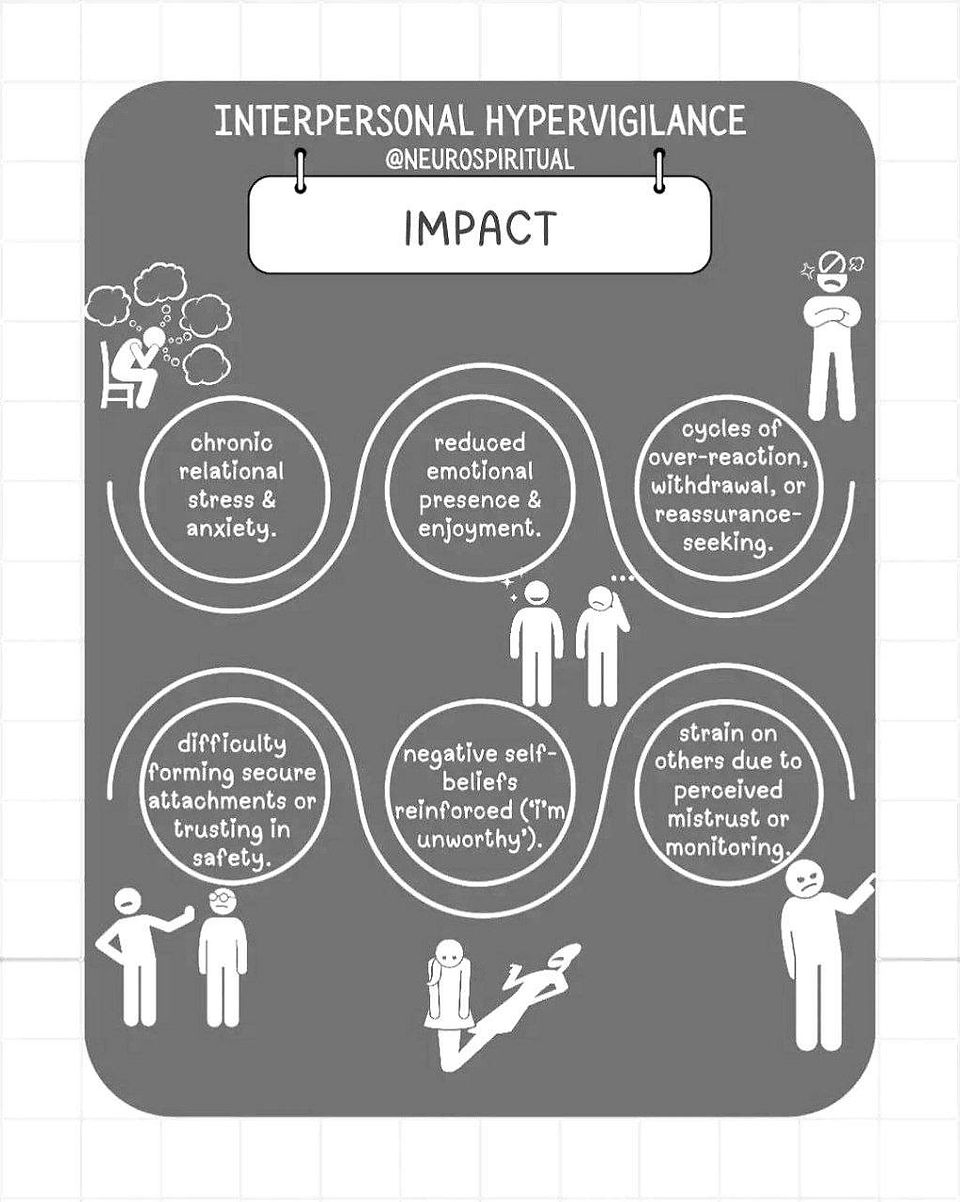


When you have experienced the trauma of betrayal from being in an abusive relationship, opening up to a new person is hard. Remember, your brain is trained to keep you safe, and part of how it keeps you safe is tracking similar patterns or situations that caused you to get hurt before, so you can avoid them.
If you find that you are always on the lookout for a slight or a passive aggressive dig, or feeling extremely clingy in a relationship, you could be suffering from some of the effects of the hypervigilance described above. This could result in self-sabotaging connections with "safe" people or maybe not even wanting to put yourself out there at all.
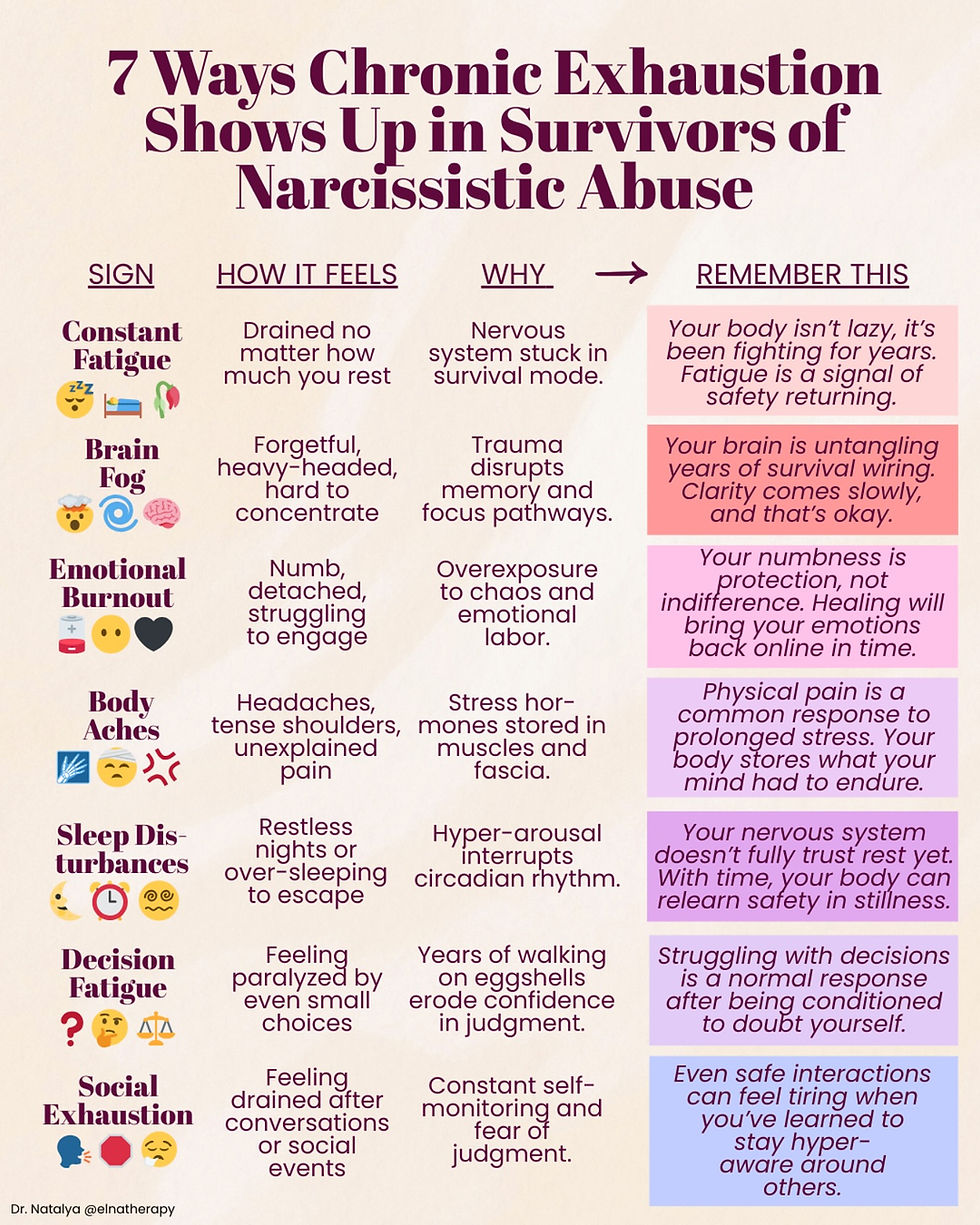
The reality is that I have largely kept to myself in the last several months, partly because my job schedule is demanding (and sometimes drains my social battery), but also because recovering from what I have gone through has required a LOT of introspection and REST from the exhaustion of coming out of a chronic fight or flight mode.
But, if I am being honest, (and I always try to be!) part of my seclusion is what is described in the infographics above. I am scared of being hurt again.
If this is resonating with you, know that it's "a thing." There is nothing wrong with you. It's all a part of the healing journey. However, it's important to be self-aware enough to know if your "Hermiting" is a part of healthy introspective "hibernation" or maladaptive coping to avoid pain.

In many of the support groups I've joined, a majority of (usually female) survivors share that they never intend to get into any new relationships. They are DONE with love and DONE with relationships. They are better off alone than ever having to go through with that kind of pain again. I can empathize.
But I also feel very strongly that being the victim of abuse DOES NOT mean you are never able to have a healthy relationship again. In fact, learning from the missed (or ignored!) red flags of your past partner means you're more likely to avoid falling into the same trap in the future!
Maybe it's my Libra stellium talking, but I crave connection and I do dream of one day having the kind of relationship I always thought I was getting with my ex. I don't want to spend the rest of my life alone.
And the truth is, I want to experience all of life...which means that to love means I have to make myself vulnerable to pain.

The whole passage (in the Yizkor--In Memorium section for loved ones that have died in the last year) essentially says the same--you can't get hurt if you don't care. But loving means opening up to the pain of losing the very person you care the most about. I'm including both pages of the passage below so you can read it, yourself, but I want to focus on one phrase, especially:
Judaism doesn't teach us how to avoid pain and sorrow; it teaches us how to stand up to it without being broken by it. How to live in a world where painful tragic things happen, and still affirm it to be God's world.
My faith is what is helping me see the tragedy of my past life not as the end of my story, but part of it. Because, although I was hurt, I will heal, and I will love and be loved again.
I might get hurt a little more along the way, but at least I will know that I lived and loved life to its fullest, and in my opinion, that's a risk that's worth taking.


Comments